Fiberglass Tramex gratings have excellent mechanical and chemical properties. This allows them to be used in walkways, stairs and other types of installations. Their insulating properties make them safe for all such applications.

At Polymec, we offer fiberglass grating for applications where a safe, resistant technical surface is required for installations such as walkways, stairways and other types of structures.
We use this product when a grating with mechanical, chemical and insulating properties is required. These characteristics help us assess its use in installations where safety, material performance and the support surface are important factors.
We offer different fiberglass grating models with defined mesh, height and surface, allowing us to guide the selection according to the needs of each project.
Fiberglass grating is a technical solution consisting of a grid structure. We use it when passage, support or working surfaces need to be created in installations where mesh geometry and surface finish influence the choice of model.
Within our range of fiberglass profiles, we recommend fiberglass grating when the project requires a functional surface for walkways, stairways or other technical areas.
We use fiberglass grating in applications such as:
The current product sheet indicates that its insulating properties help make these gratings safe for this type of installation.
The current product sheet highlights that fiberglass gratings have:
These properties help us assess this product when a technical grating is required for installations where the material must meet specific functional requirements.
We recommend fiberglass grating when a technical surface is required for walkways, stairways or other installations where mesh, height and finish affect the final use.
We also consider it when the project requires mechanical, chemical and insulating properties, always reviewing the actual installation conditions and applicable technical requirements beforehand.
When there are specific requirements regarding passage, support, safety, environment, load, fastening or dimensions, we review the case before confirming the final model.
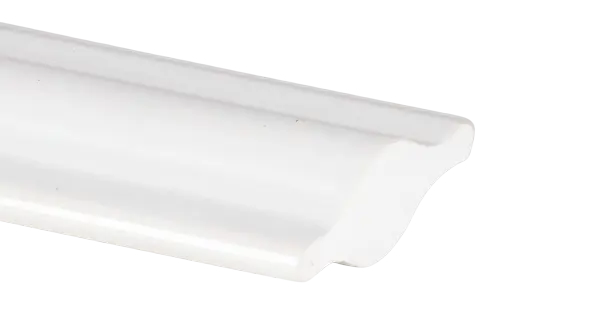
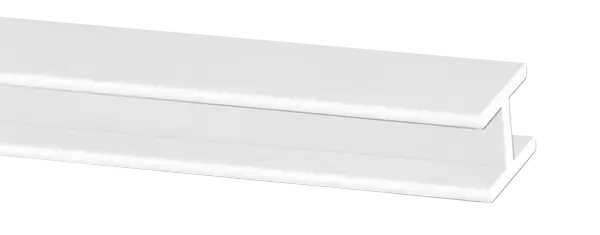
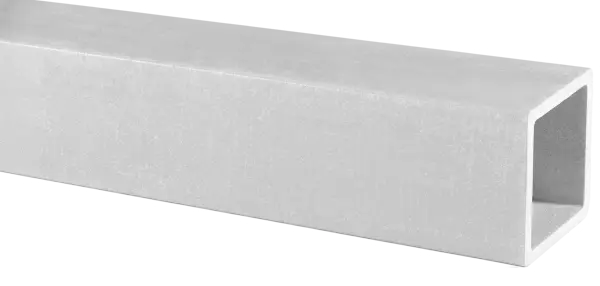
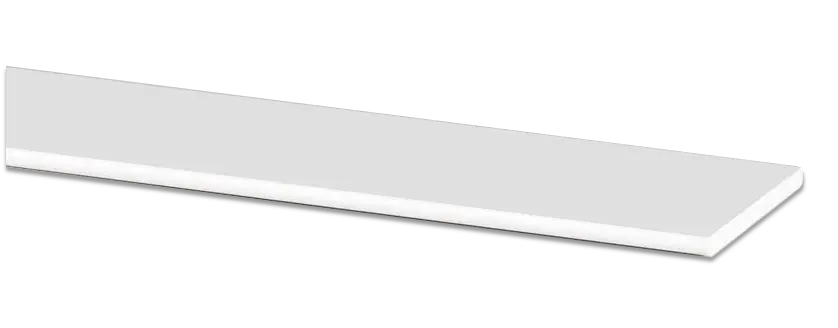
If fiberglass grating does not match the solution required, we also offer other fiberglass profiles that can be considered depending on the application:
Do you need fiberglass grating for a walkway, stairway or technical installation? At Polymec, we review the most suitable model with you according to mesh, height, surface and project requirements.
We need to know the application, approximate surface area, type of installation, operating environment, desired mesh, required height and any requirements related to safety or assembly.
We choose the surface type according to the intended use, installation area, passage or support requirements and project conditions. If the finish affects safety or maintenance, we review it before confirming the model.
We review the stairway geometry, type of support, fastening system, required surface and applicable safety requirements before recommending a reference.
Height is one of the model's characteristics and may affect how the grating integrates into the installation. To relate it to specific performance characteristics, we first confirm the available technical information.
Additional technical documentation should be requested when the project requires calculations, load requirements, tolerances, exposure conditions or specific validation of the surface type.