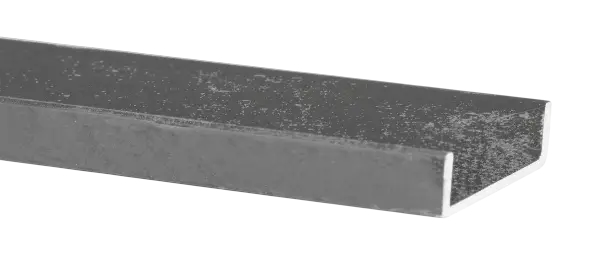
The fiberglass Z profile is widely used as a joining element between structural profiles. It features excellent mechanical and chemical properties, which allows its use across various sectors and industries.

At Polymec, we offer the fiberglass Z profile for applications where structural profiles need to be joined, integrated or complemented within a technical solution.
We use this profile when the project requires a Z-shaped geometry that facilitates the connection between components, the construction of a structure or the adaptation of the assembly to a specific configuration.
According to the current product sheet, the fiberglass Z profile has mechanical and chemical properties, allowing us to consider it for different sectors and industries where a technical fiberglass profile is required.
We use the fiberglass Z profile as a joining element between structural profiles. Its geometry helps us connect components, resolve junctions between profiles or create assembly solutions where a straight section is less suitable.
This type of profile is useful when an intermediate component is required to join structural elements while maintaining a defined shape within the assembly.
We use the fiberglass Z profile in projects where structural profiles need to be joined or a structure needs to be completed with a component of a specific geometry.
The fiberglass Z profile has mechanical and chemical properties, according to the current product sheet. These properties help us assess the product in technical applications where not only the profile shape matters, but also the material's performance within the assembly.
We recommend a fiberglass Z profile when a joining component between structural profiles is required and the assembly geometry calls for a Z-shaped section.
We also consider it when a technical fiberglass profile is needed to resolve junctions, supports or connections within a structure made up of several elements.
When the project includes specific requirements regarding assembly, loads, operating environment, tolerances or minimum supply quantity, we review the case before confirming the final reference.
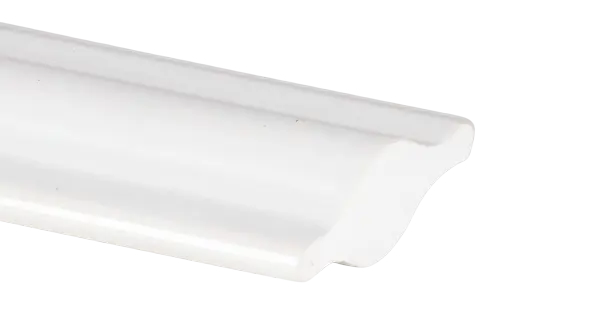
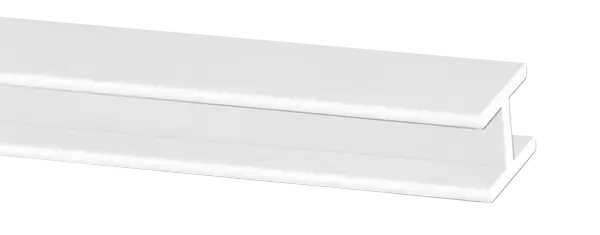
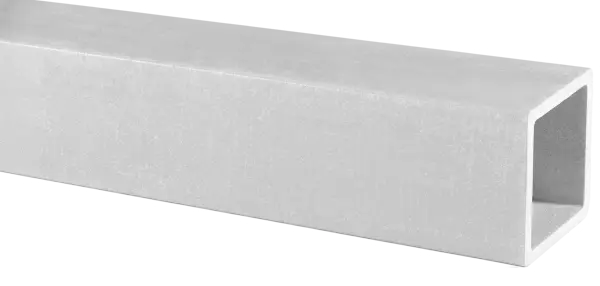
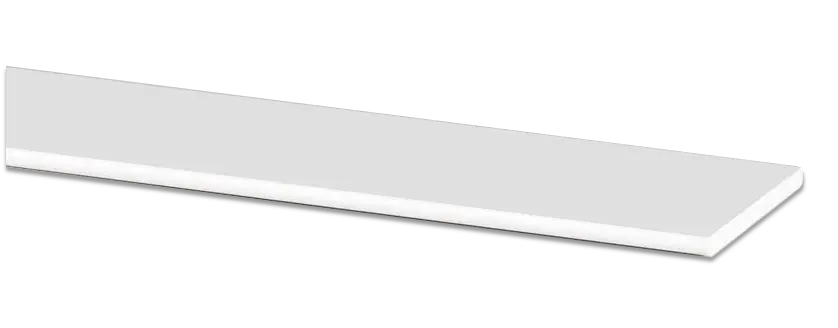
If the Z profile does not match the geometry required, we also offer other fiberglass profiles that can be considered depending on the application:
Do you need a fiberglass Z profile to join structural profiles or complete a technical solution? At Polymec, we review the available reference and the conditions required for your project with you.
We review the required dimensions, type of joint, the profile's function within the assembly, weight per metre and the minimum quantity in metres associated with the reference.
When we refer to the minimum quantity in metres, we mean the minimum quantity indicated for the available reference. We confirm the exact supply conditions before finalising any order.
Yes, we can consider combining it with other fiberglass profiles when the project design requires several geometries within the same structure.
We need to know the application, type of structure, position of the profile, required dimensions, operating environment and any technical requirement affecting the joint.
We review tolerances when the profile forms part of a close-fitting assembly, when it must fit with other components or when the project requires particularly controlled dimensions.